


Ethnographer of Human Why
Thick data is qualitative, context-rich information that explains the "WHY" behind human behavior, emotions, and decisions. It is a counterbalance to big data (quantitative, large-scale data that reveals the "what"), providing depth and meaning that numbers alone cannot capture.


150+
15
Harvard Affiliate
Fortune 500
Origins
Coined by Dr. Tricia Wang in 2009.

The Anthropologist Who Predicted Nokia's Fall
"Big data said winning. Thick data showed losing." – Dr. Tricia Wang, 2009

The Insight That Predicted Nokia's Fall
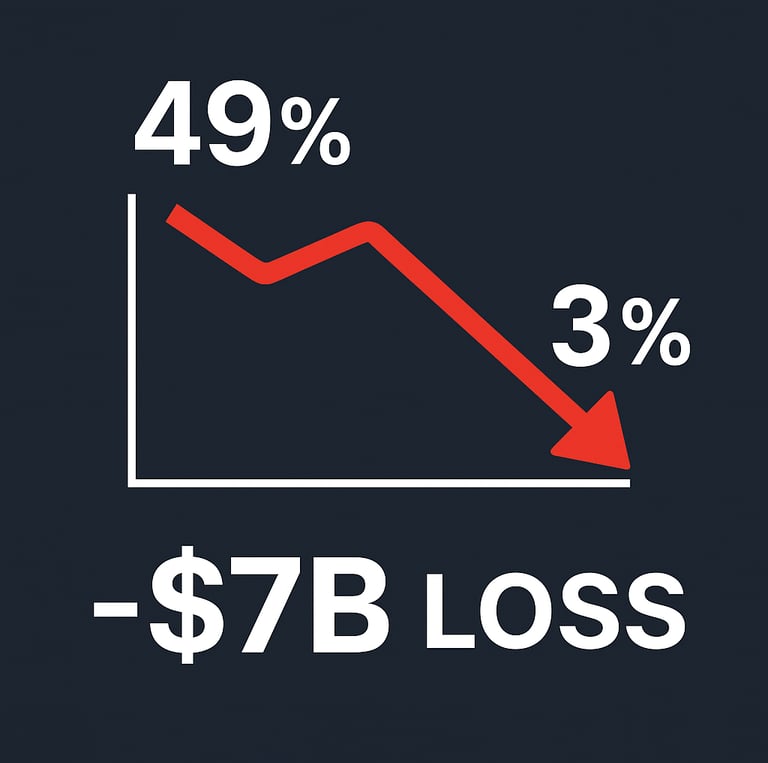
In 2009, anthropologist Dr.Tricia Wang revealed how thick data - ethnographic research exposed Chinese consumers leaving feature phones, a warning Nokia missed. Nokia's Big Data showed different story. They ignored her. By 2013, Nokia collapsed from 49% to 3% market share, losing $7B.
2009
2013


How It Works
Thick data combines scale with human depth, weaving logic, emotion, and meaning into insights that truly resonate.
See the Wind : How Thick Data Works
A 4-step method revealing insights big data misses.


Listen deeply
Integrate
Combine qualitative with quantitative for complete picture.
Immerse
Enter real customer environment, observe without assumptions.
Find patterns
Identify behaviors Big Data misses, map cultural context.
In-depth interviews capturing emotions not answers.








Success
Fortune 500 Companies Choose Thick Data


Global Wins
From Google’s UX Research to Lego’s revival, thick data shaped real breakthroughs by blending human stories with data.
Enterprise Insights
Trusted by Fortune 500


Google UX
User Experience Researchers embed Thick Data in every product cycle. Result: 40% higher feature adoption, faster iteration cycles.


Lego Play
Facing bankruptcy in 2003, LEGO sent researchers to observe children playing at home. Discovery: kids valued mastery and complex building,not simplified toys. LEGO pivoted, sales grew 400% in 5 years.


Intel Chips
Anthropologists spent months in homes across 6 countries observing how families actually use computers—not how they say they do. Result: Redesigned chips for real-world multitasking, not benchmarks.
Samsung Labs
Innovation Labs use Thick Data observation before every product launch. Insight: Users' unstated needs drive category-defining products.
→
→
→
→
Contact
Reach out for personalized real estate insights
hello@thickdata.com.au
© 2026 AETERRA™
AETERRA Collective | AETERRA Property | Project Bros.